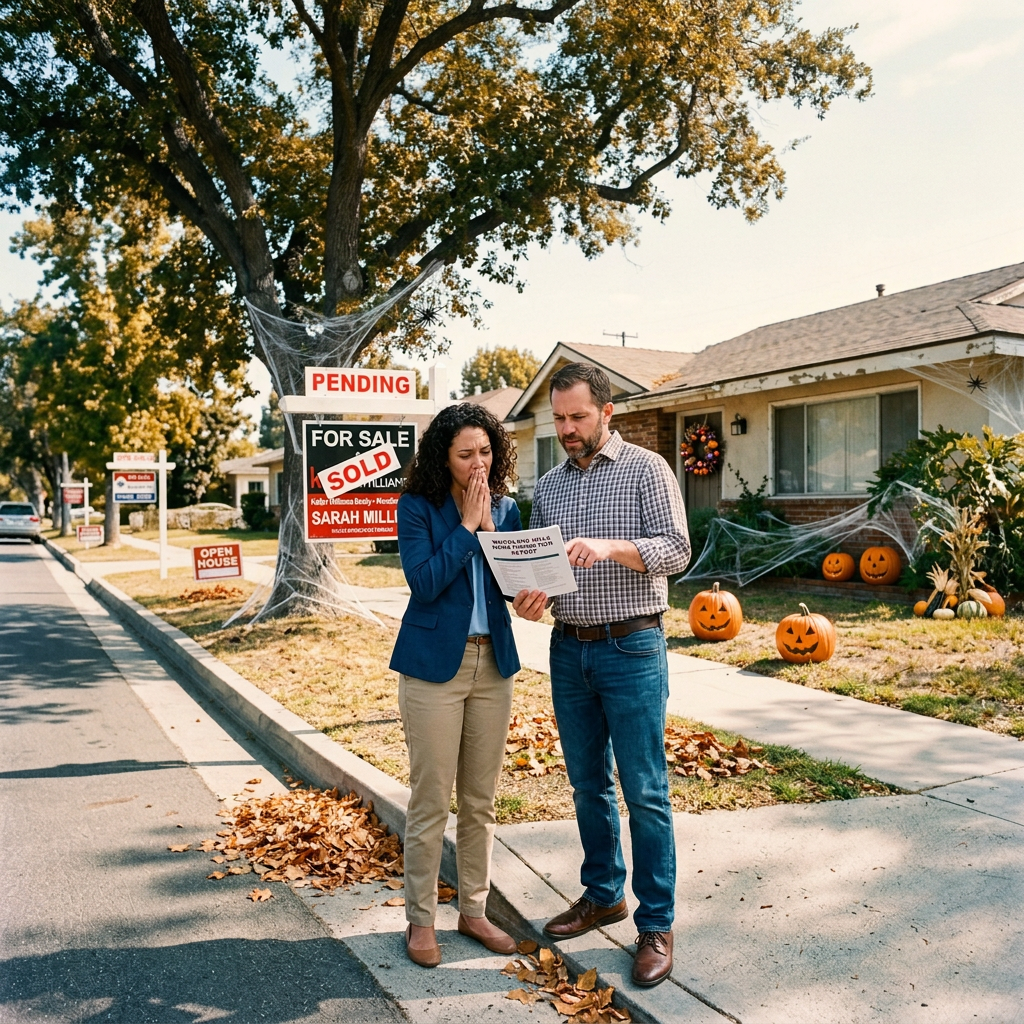
House-Hunting Nightmares: 7 Red Flags Buyers Shouldn’t Ignore
Halloween season has a way of putting everyone in the mood for spooky stories, but if you’re shopping for a home in Woodland Hills, the real scares aren’t ghosts or creaky attics. They’re the hidden issues that can turn your dream house into a money pit. The good news: with a little awareness, you can spot many of these red flags early and decide whether to walk away or dig deeper.
Below are seven common issues buyers should watch for during showings and inspections, why they matter, and what to do next if you spot them in a Woodland Hills home.
1. Persistent Moisture or Musty Odors
Walk into a home and notice a damp, earthy, or musty smell? Take it seriously. Persistent moisture can point to leaks, poor ventilation, or even mold. In Woodland Hills, where we can see periods of rain followed by dry, warm weather, trapped moisture in walls, crawl spaces, or basements can go unnoticed for a long time.
Why it matters: Moisture issues can damage wood, drywall, flooring, and insulation. Mold remediation or structural repairs can be expensive, and indoor air quality can be affected.
What to do next: If you smell mustiness or see signs like water stains, bubbling paint, or warped baseboards, flag it for your inspector. Ask the seller about past leaks, insurance claims, and any mold testing or remediation they’ve done. You may want a specialized mold or moisture inspection in addition to a general home inspection.
2. Fresh Paint in Just the Wrong Places
Fresh paint throughout a home can be a great sign of regular upkeep. Fresh paint only on one wall, one ceiling area, or a small section of the garage? That’s when it becomes a question mark. In some cases, it’s cosmetic. In others, it’s hiding past water damage, cracks, or repairs the seller doesn’t want to highlight.
Why it matters: Patchy or localized painting can signal an underlying problem that hasn’t been fully fixed, such as a roof leak, plumbing leak, or settling issue. If the root cause wasn’t addressed, the problem can return after you move in.
What to do next: During showings, look for inconsistent paint finishes, spots that look newer than their surroundings, or areas where texture seems different. Make a note of these and ask your inspector to pay extra attention to those locations. You can also ask the listing agent or seller directly what work was done there and request invoices or documentation if available.
3. Unusual Cracks or Sloping Floors
Most homes, especially older ones common in parts of Woodland Hills, will have some minor hairline cracks from normal settling. But wide cracks, stair-step cracks in masonry, doors that don’t close properly, or floors that noticeably slope can be more than just cosmetic.
Why it matters: Significant cracks or sloping can indicate foundation movement, structural issues, or past earth movement. Repairs can range from simple cosmetic fixes to major structural work.
What to do next: When you walk through the home, pay attention to how doors and windows close, whether floors feel uneven, and whether crack lines are wide or repeating in multiple rooms. If something feels off, a qualified inspector or structural engineer can help you understand the severity, likely cause, and potential cost to repair before you commit.
4. Old Electrical or Plumbing Systems
Many Woodland Hills homes were built decades ago and may still have older electrical panels, wiring, or plumbing. Some older systems function fine, but others may not meet current safety standards or may be approaching the end of their useful life.
Why it matters: Outdated wiring, overloaded panels, or aging pipes can create safety risks and lead to frequent repairs or leaks. Upgrading systems can be a significant investment, especially if walls need to be opened up.
What to do next: Ask how old the electrical panel, wiring, water heater, and main plumbing lines are. During the inspection, request that your inspector note any safety concerns, ungrounded outlets, double-tapped breakers, or signs of past leaks or corrosion. Use the inspector’s report to estimate potential upgrade costs so you can factor them into your offer and long-term budget.
5. Drainage and Grading Problems
Even in a drier climate, proper drainage is crucial. In hilly areas of Woodland Hills, water should be directed away from the home, not toward it. Poor grading, clogged drains, or missing gutters can cause water to pool around the foundation or seep into lower levels.
Why it matters: Ongoing drainage issues can lead to foundation movement, moisture intrusion, and landscape erosion. These problems often show up slowly over time, so you may not see dramatic damage during a single visit.
What to do next: Step outside and look at how the lot is shaped. Does the ground slope toward the house or away from it? Are there drains, gutters, and downspouts, and do they look functional? Ask the seller if there have been any past drainage improvements or water issues. A home inspector can also comment on visible grading concerns and recommend further evaluation if needed.
6. Unpermitted Additions or Renovations
It’s common to see homes in Woodland Hills with added rooms, converted garages, or updated kitchens and baths. The key question is whether the major work was done with proper permits and inspections. Unpermitted work can look great on the surface but create complications later.
Why it matters: Unpermitted additions may not meet building and safety codes. They can affect insurance, future resale, and even how the square footage is counted. In some situations, a buyer may be required to bring work up to code after closing.
What to do next: When you see a converted space or major renovation, ask directly whether permits were pulled and finalized. Your agent can help you review seller disclosures and, if appropriate, check with the city about permit history. If work was done without permits, talk with your inspector and, if needed, a contractor to understand the potential risks and costs of bringing it into compliance.
7. Neighborhood and Location Concerns
A home can look perfect on paper and still be the wrong fit if the surrounding environment doesn’t match your needs. In Woodland Hills, that can include everything from commute routes and school options to nearby commercial areas, noise, and traffic patterns.
Why it matters: You can update finishes and systems over time, but you can’t move the house. Location affects daily quality of life, future resale potential, and how well the home supports your long-term plans.
What to do next: Visit the neighborhood at different times of day and on different days of the week. Get a feel for traffic, parking, and general activity. Think about your own routines: commute, school drop-offs, shopping, and recreation. Talk with your agent about how the area fits your goals and what buyers typically value in that part of Woodland Hills.
Turning Red Flags into Informed Decisions
No home is perfect, and it’s normal to find at least a few issues during inspections. The goal isn’t to avoid every little flaw; it’s to understand which problems are minor, which are manageable with a plan, and which are deal-breakers for you. That’s where due diligence comes in.
Make full use of your inspection period. Review seller disclosures carefully. Ask questions about permits, upgrades, and past repairs. When something concerns you, bring in the right professionals—inspectors, engineers, contractors, or your real estate advisor—to help you understand costs and options before you move forward.
If you’re considering a home in Woodland Hills and want a grounded, local perspective on potential red flags, feel free to reach out. I’m always happy to walk through a property with you, review reports, and help you decide whether it’s the right fit—or whether it’s time to keep looking for a better match.


Leave a Reply